Free shipping over $999 · Firearms ship to your Texas FFL dealerShipped to your Texas FFL dealerShipping & FFL · Contact
Home / Texas License to Carry

Texas License to Carry

Texas lets most adults carry a handgun without a license. Here is what the License to Carry still does, who issues it, what it takes, and the pistols people carry with one.

This is general information, not legal advice. Eligibility, fees and reciprocity are set by statute and by the Texas Department of Public Safety, and they change. Check the current Government Code Chapter 411 and the DPS License to Carry pages, and talk to a Texas attorney about your own situation. Reviewed September 2026.

Permitless carry, in short

House Bill 1927 took effect September 1, 2021. It rewrote Penal Code 46.02 so that a person 21 or older who may lawfully possess a handgun can carry it in a holster, openly or concealed, without any license, as long as they are not intoxicated and have not been convicted in the past five years of assault causing bodily injury, deadly conduct, terroristic threat, or disorderly conduct involving a firearm. The place restrictions in Penal Code 46.03 apply to everyone. Penal Code 46.15 lists the people the carry statute does not apply to at all, including peace officers and, for many purposes, license holders.

What the license still adds

  • Reciprocity. Only a license travels. Most states that honor Texas carry honor the LTC card, not permitless status. DPS publishes the current agreements.
  • Private-property signs. A person carrying without a license can be excluded by any no-firearms notice under Penal Code 30.05. A license holder can only be excluded by the specific 30.06 (concealed) or 30.07 (open carry) sign.
  • Campus carry. Government Code 411.2031 lets license holders carry concealed on public college and university campuses, subject to each campus rules.
  • Dealer purchases. ATF lists the Texas LTC as an alternative to the NICS check, so a dealer may complete Form 4473 without calling it in. Dealers may still choose to run the check.
  • A documented background check that some employers, ranges and out-of-state agencies ask for.

Who can apply

  • 21 or older, or 18 for current members and honorably discharged veterans of the armed forces (Government Code 411.172). DPS began accepting applications from adults 18 to 20 after a 2022 federal court ruling; confirm the current rule on the DPS site.
  • A Texas resident, or a non-resident who meets 411.173. Non-residents apply on the same form with extra identification.
  • No felony conviction, no Class A or B misdemeanor conviction or pending charge in the past five years, and not otherwise prohibited under state or federal law.
  • Not chemically dependent, not of unsound mind as the statute defines it, and not delinquent on child support, student loans or taxes owed to the state.
How it works

1. Take the class
A DPS-certified LTC course: four to six hours of classroom (online is allowed), a written test, and a shooting proficiency test with a certified instructor.
2. Apply online
Submit the application to Texas DPS, pay the fee, and upload or mail the training certificate (form LTC-100).
3. Fingerprints
Schedule a fingerprint appointment with the DPS vendor. The prints run the state and federal background checks.
4. Wait for the license
DPS has 60 days from a complete application to issue or deny, longer if something needs review. The card arrives by mail.

The class

The LTC course runs four to six hours with a DPS-certified instructor and covers the law on where and when a handgun may be carried and used, non-violent dispute resolution, and safe handling and storage (Government Code 411.188). The classroom half can be taken online. The proficiency test cannot: you shoot 50 rounds at 3, 7 and 15 yards on a B-27 target and must score at least 70 percent. Bring the pistol you intend to carry, or borrow one from the instructor. The instructor issues form LTC-100, which you send to DPS with the application.

Cost and timing

The DPS fee is $40 for a new license and $40 to renew, with reductions or waivers for seniors, veterans, peace officers, judges and a few other groups. Instructors set their own class fees, and the fingerprint vendor charges its own fee. Government Code 411.177 gives DPS 60 days from a completed application to issue the license or explain why not, and up to 180 days if the application needs more review. In practice most licenses arrive within a few weeks.

Renewal

A first license expires on your first birthday after the fourth anniversary of issue, and each renewal runs five years (Government Code 411.183). Renewal is an online application with DPS; there is no renewal class. Start before the expiry date so you are never carrying on a lapsed card outside Texas.

Carrying with the license

  • Carry the license with a valid ID and show both to a peace officer who asks for identification while you are carrying (Government Code 411.205).
  • The license does not open the places in Penal Code 46.03, and it does not permit carrying while intoxicated.
  • A private business that posts the 30.06 or 30.07 sign, or tells you in person, can exclude license holders. A business posting only a generic sign has excluded unlicensed carriers, not you.
  • Tell DPS within 30 days if you move so the license stays valid at your address.

Carrying in other states

Texas honors licenses from a long list of states and many of them honor the Texas LTC in return, but each state sets its own conditions and the list moves. Some states honor the license only for residents of Texas, some require you to be 21, and a few honor nothing. Check the current DPS reciprocity map at dps.texas.gov and the law of every state on your route before you leave. Do not assume the license travels.

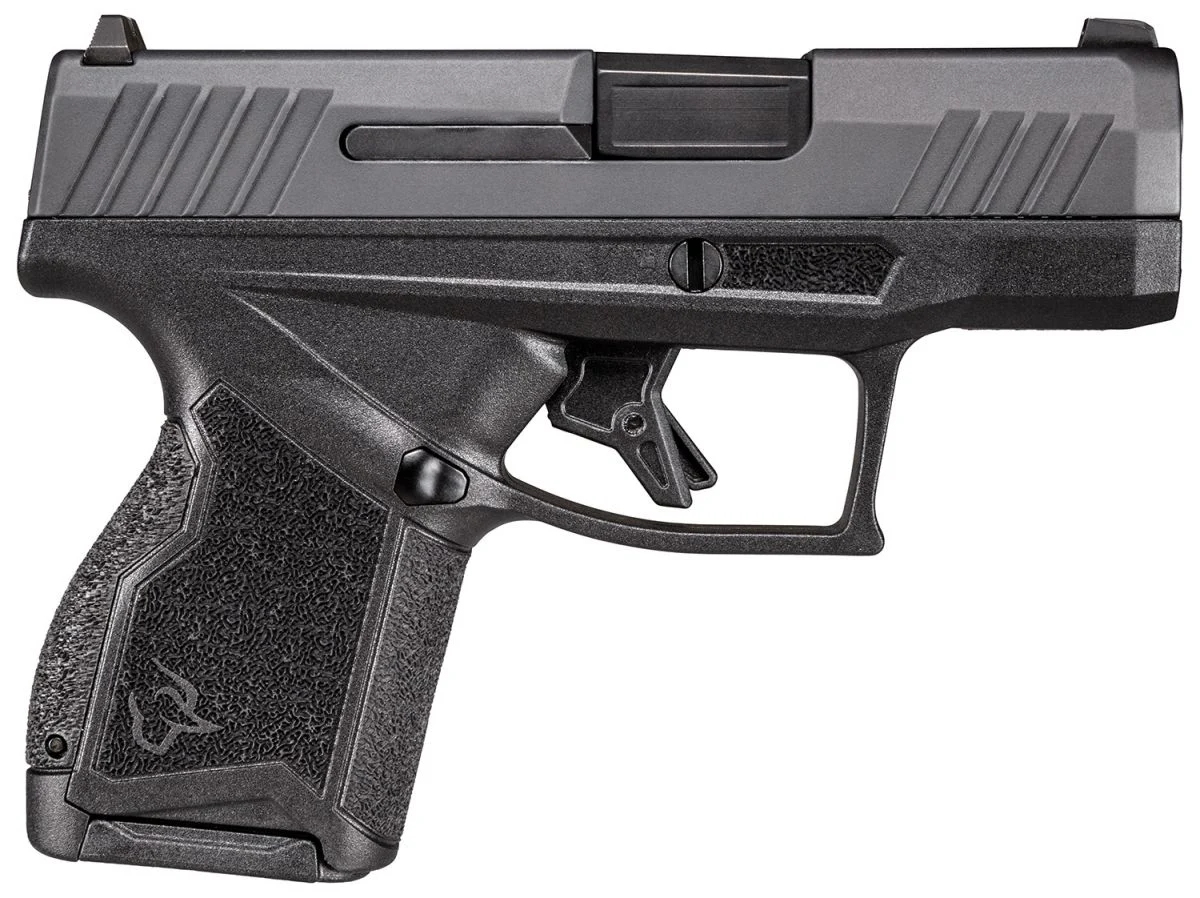
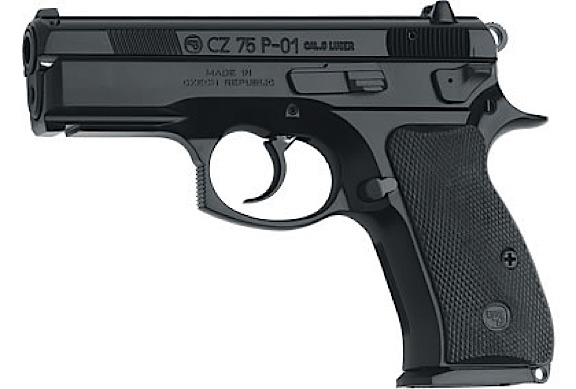
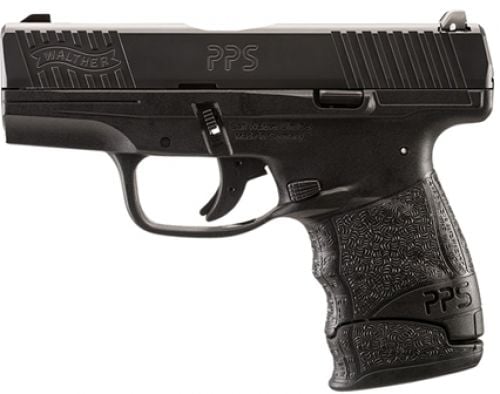
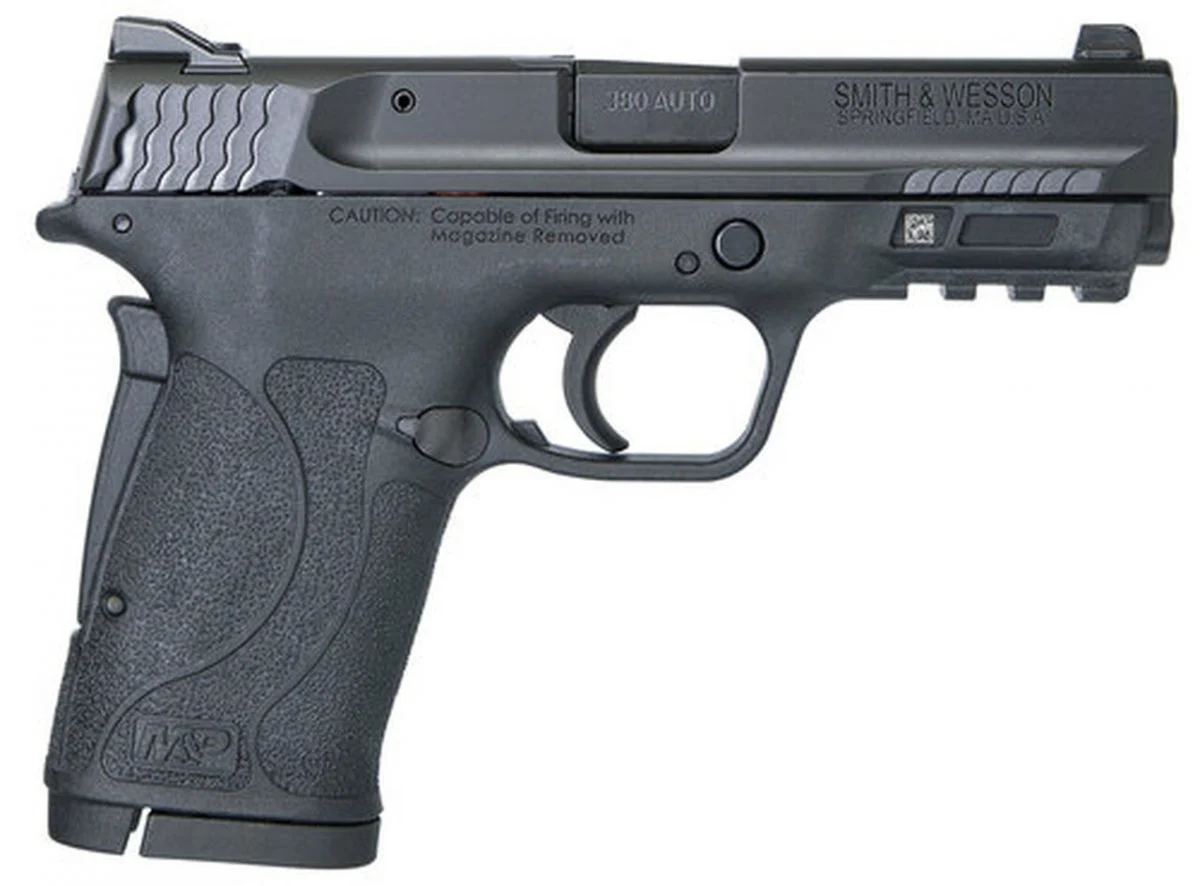
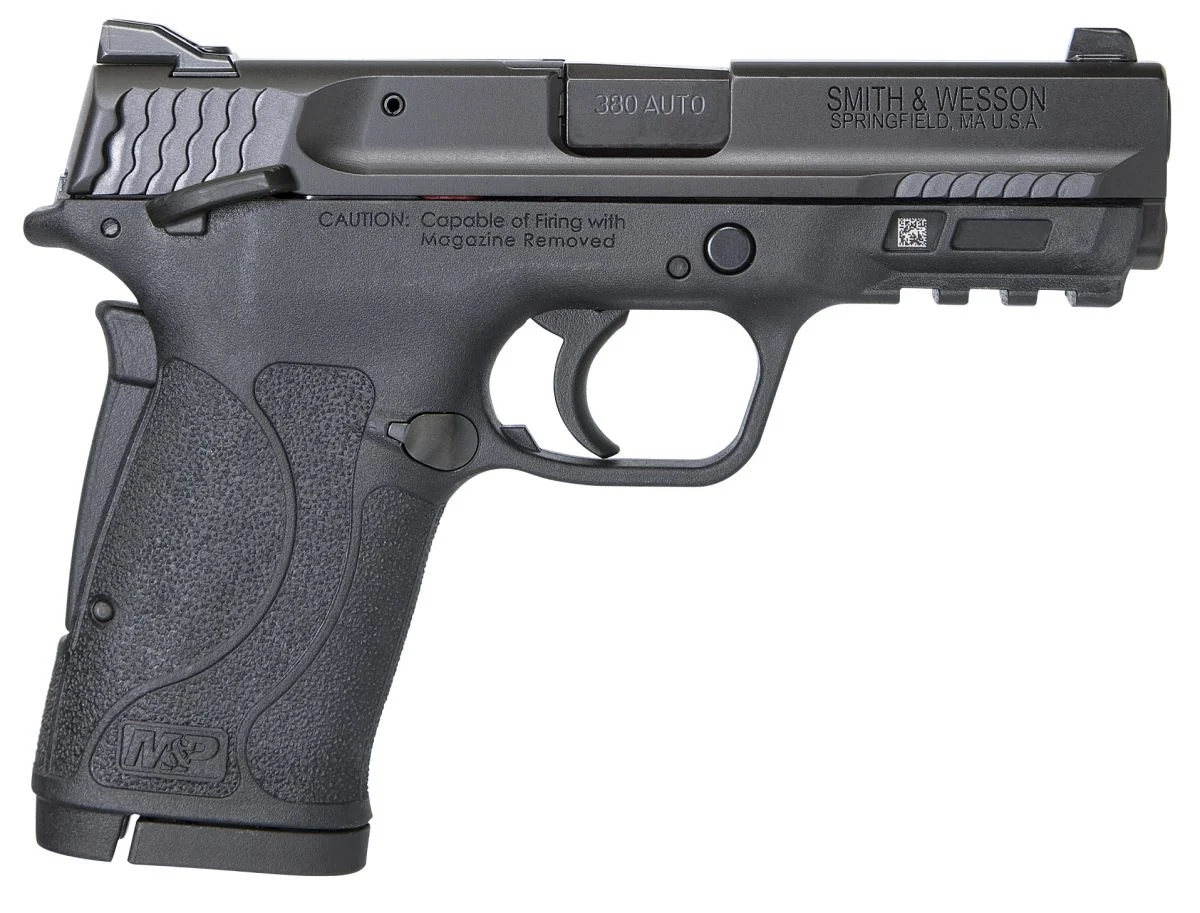
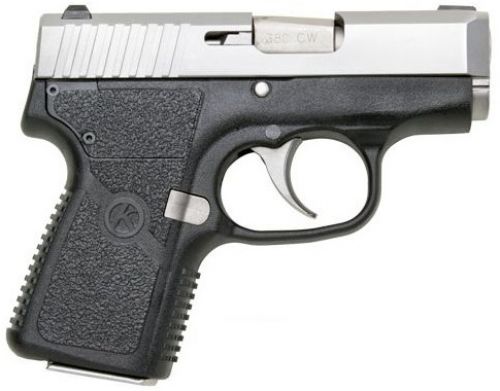
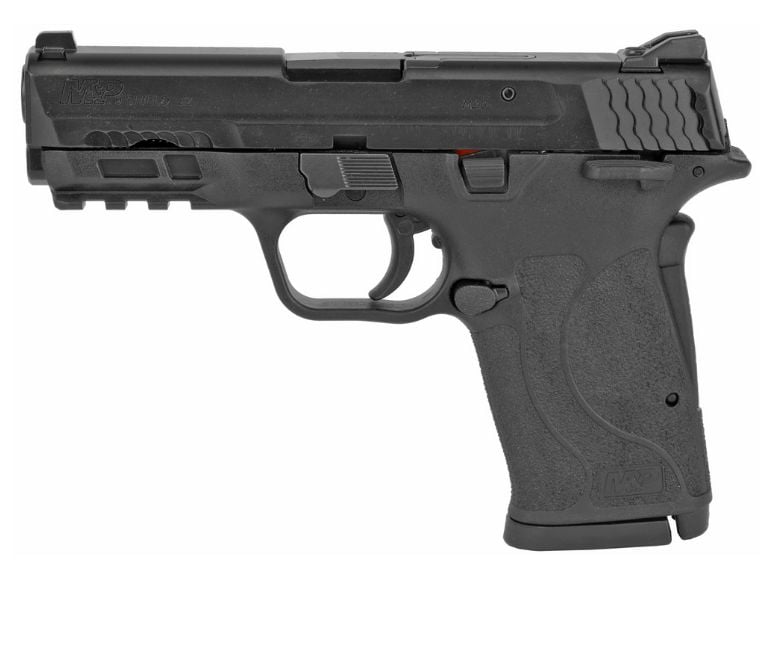
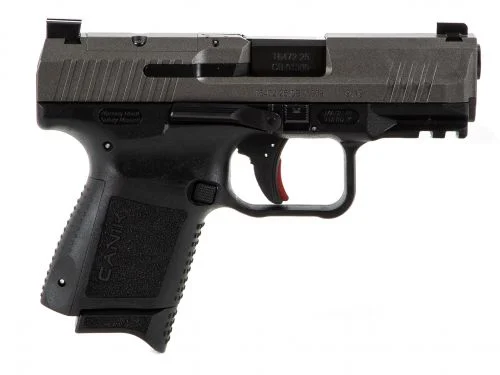
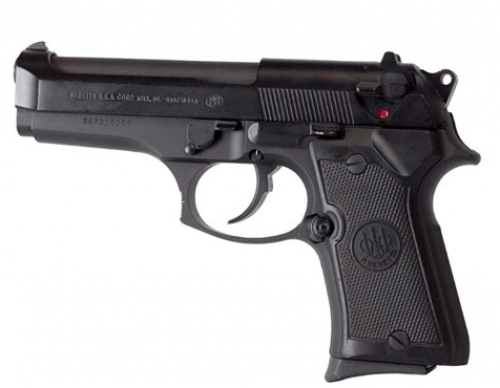
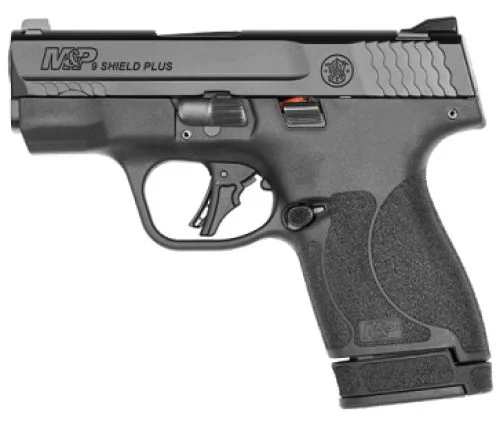
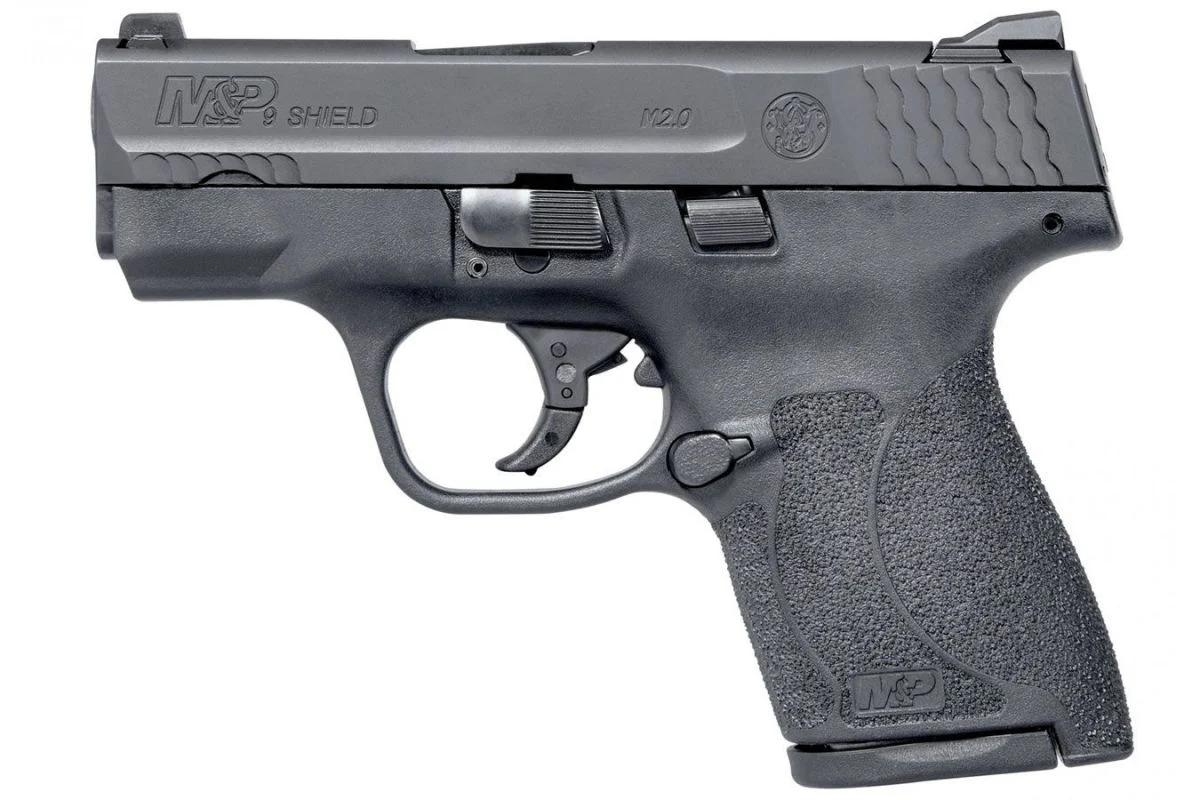
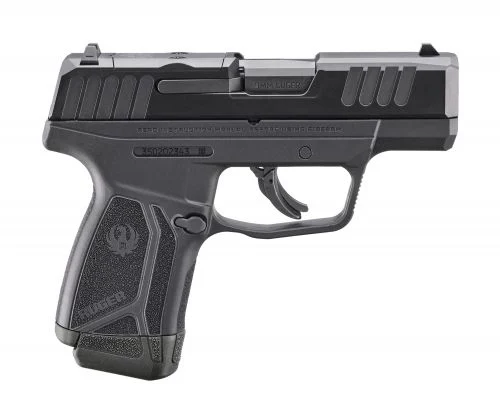
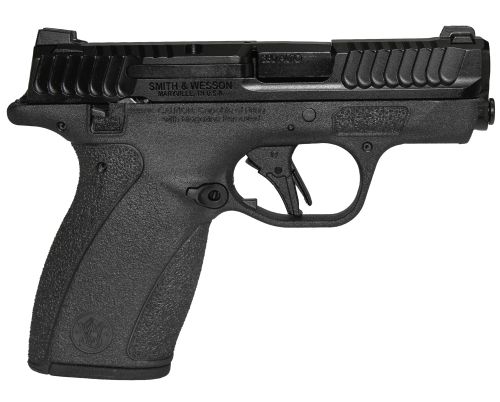
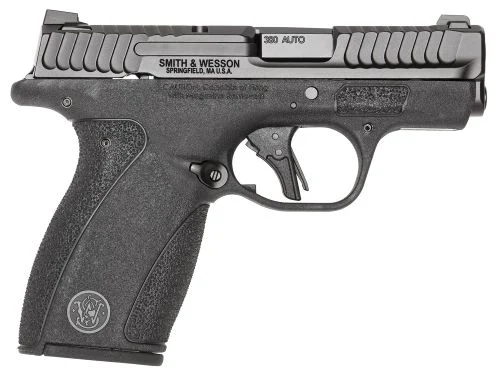
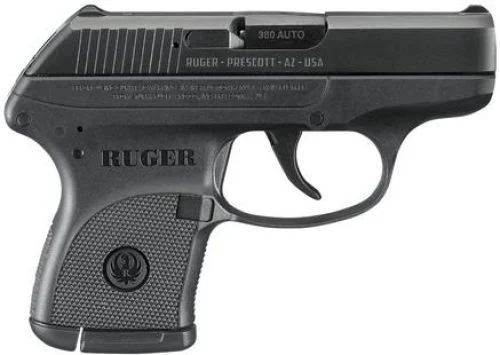
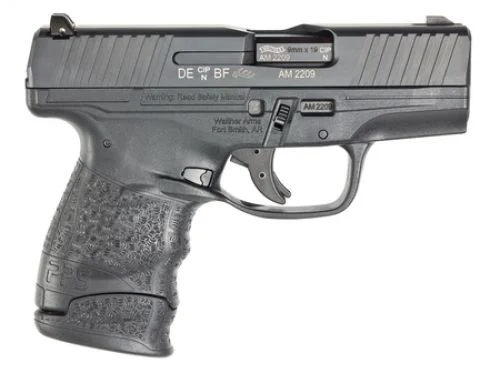
242 carry-size pistols listed right now, shipped to your Texas FFL dealer. How that works.

Common questions

Do I need a License to Carry to carry a handgun in Texas?

Not in most cases. Since September 1, 2021 (HB 1927), an adult 21 or older who may lawfully possess a handgun and is not disqualified under Penal Code 46.02 can carry it in a holster, openly or concealed, without a license. The LTC still matters for reciprocity, some places, private-property signs and the dealer background check.

Who can get a Texas LTC?

Government Code 411.172 sets the list: generally 21 or older (18 for current and honorably discharged military), a Texas resident or an eligible non-resident, no felony conviction, no Class A or B misdemeanor conviction or pending charge in the past five years, not chemically dependent, not delinquent on child support or taxes, and not otherwise prohibited under state or federal law. DPS decides every application on the statute.

Can an 18-year-old get a Texas LTC?

The statute sets 21, with an exception for military members and veterans. After a 2022 federal court ruling on the age limit, DPS began accepting LTC applications from adults 18 to 20. Because this came from litigation rather than a statute change, check the current DPS eligibility page before you apply.

What training does Texas require?

A course from a DPS-certified LTC instructor covering the law on carrying and using a handgun, non-violent dispute resolution, safe handling and storage, and a shooting proficiency test of 50 rounds at 3, 7 and 15 yards (Government Code 411.188). The classroom portion may be taken online; the shooting test is always in person.

How much does a Texas LTC cost?

The standard DPS fee is $40 for a new license and $40 to renew, with reduced or waived fees for some groups such as seniors, veterans, peace officers and judges. Add the instructor fee for the class and the fingerprint fee. DPS posts the current fee table.

How long is the LTC good for?

A first license expires on your first birthday after the fourth anniversary of issue, so roughly four to five years. Renewals run five years (Government Code 411.183). Renewal is done online through DPS with no new class required.

Do I need an LTC to buy a handgun?

No. Anyone who is not prohibited can buy from a dealer after Form 4473 and the background check. An LTC does let a Texas dealer use the ATF Brady permit alternative instead of calling NICS, though dealers may still run the check.

Is a Texas LTC recognized in other states?

In many. Texas has reciprocity or unilateral recognition agreements with a long list of states, and DPS publishes the current map. Each other state decides whether it honors a Texas license, and the answer changes. Check both the DPS list and the law of every state you will carry in before you travel.

Where can I not carry, even with an LTC?

The places in Penal Code 46.03: schools, polling places, courts, racetracks, secured airport areas, 51 percent bars, sporting events, correctional facilities and, with proper notice, hospitals, nursing homes, amusement parks and government meetings. Private property posted with the 30.06 or 30.07 sign is off limits to license holders. Federal buildings are off limits under federal law.

What is the best handgun for a Texas LTC holder?

The one you will carry every day in the heat. Most Texans end up with a compact or micro-compact 9mm in an inside-the-waistband holster because a lighter, thinner gun gets carried in August and a heavy one stays in the truck. Grip length and trigger matter more than the badge on the slide.

More Texas guides