Home defense guns
Shotgun, pistol or carbine, how to think about the choice, and what Texas law says about defending yourself at home.
There is no best answer, only the gun that suits your house and that you will practice with. A ranch house at the end of a caliche road outside Bryan and a third-floor apartment off Loop 410 in San Antonio are different problems. Texas puts no limit on any of the three options below, so start with the layout you actually live in and the people who live in it, then pick.
Shotguns
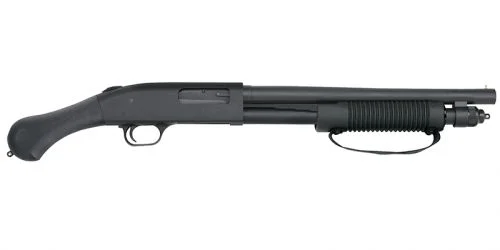
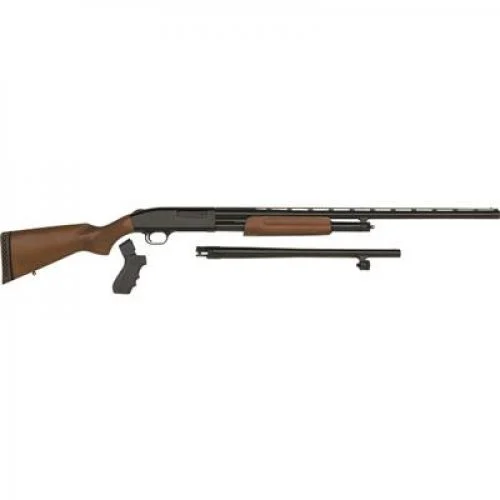
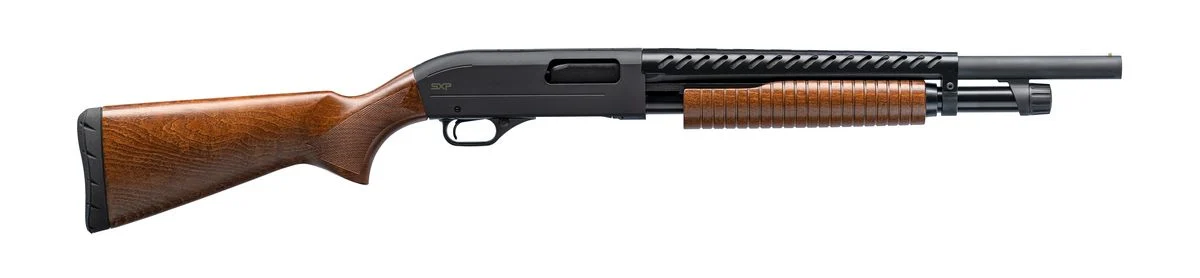
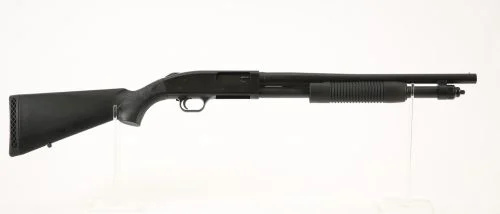
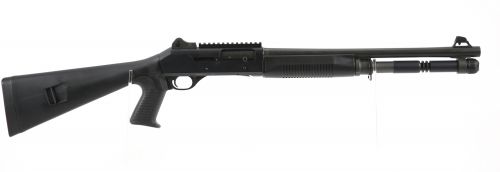
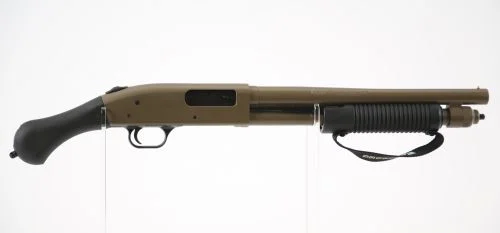
A pump 12-gauge is the cheapest serious defensive gun you can buy, and buckshot inside a house is decisive. The costs are length, weight and recoil, which is why so many of them sit unfired in closets. If you choose one, get the stock cut to fit you, put a light on it, and shoot it enough that working the pump is automatic. A 20 gauge is a real option for a smaller shooter, and a semi-auto takes the recoil down another notch.
Pistols
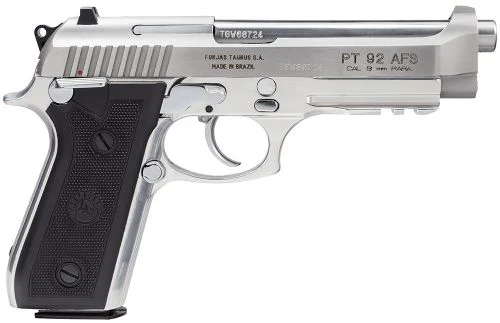
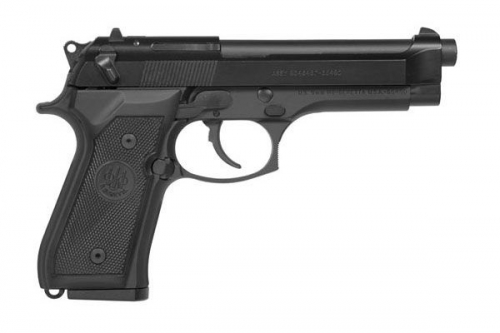
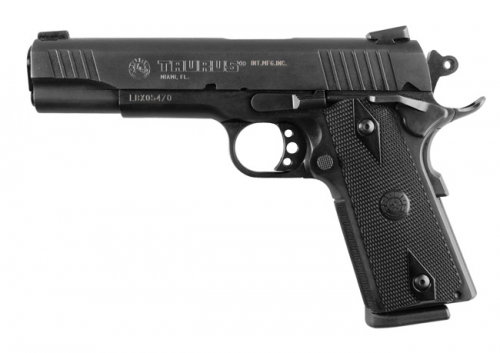
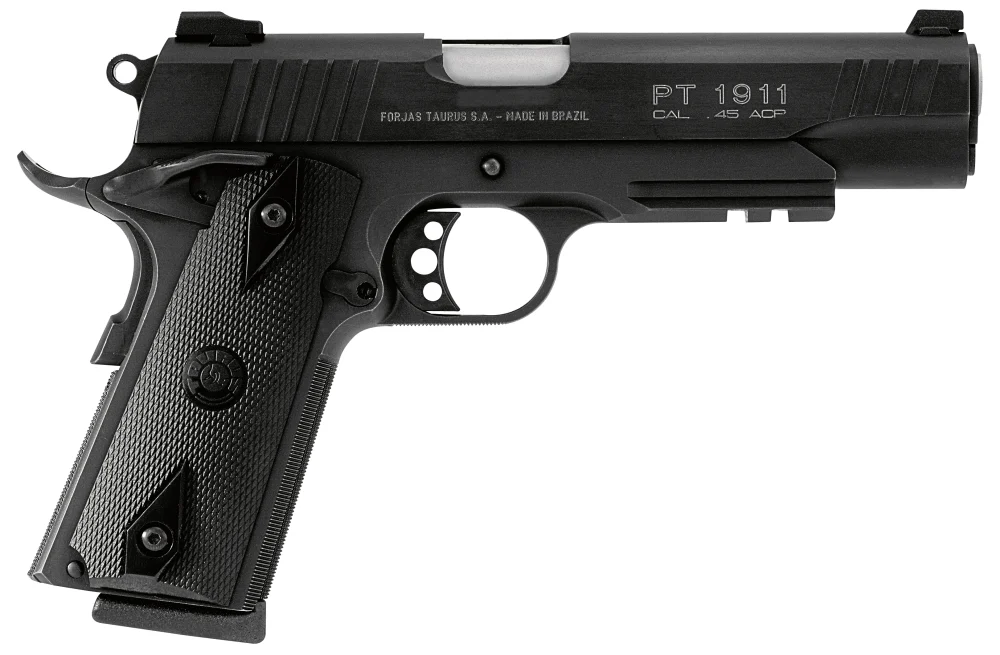
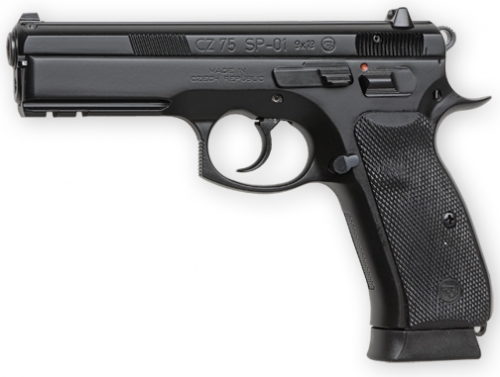
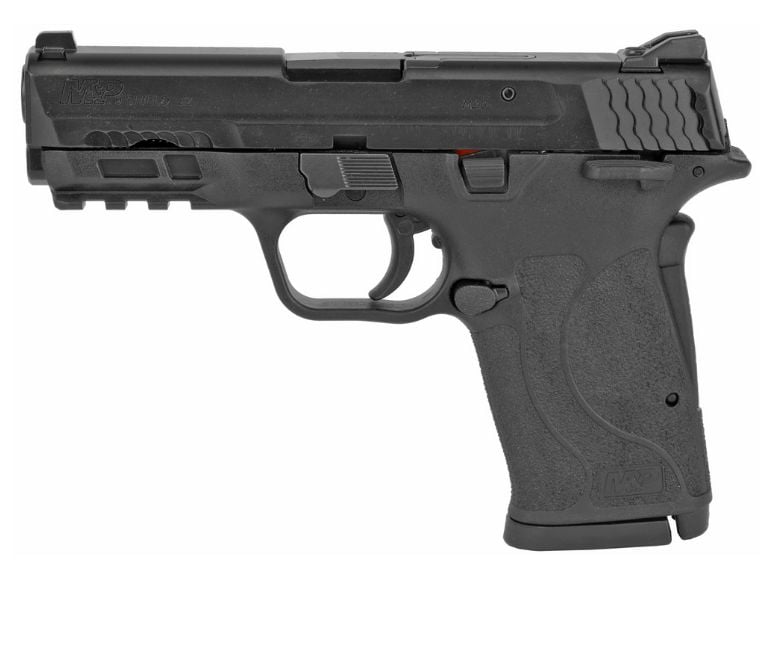
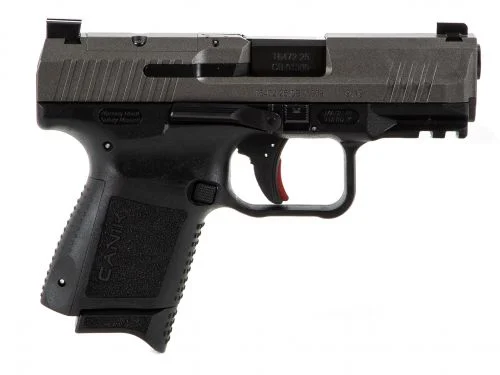
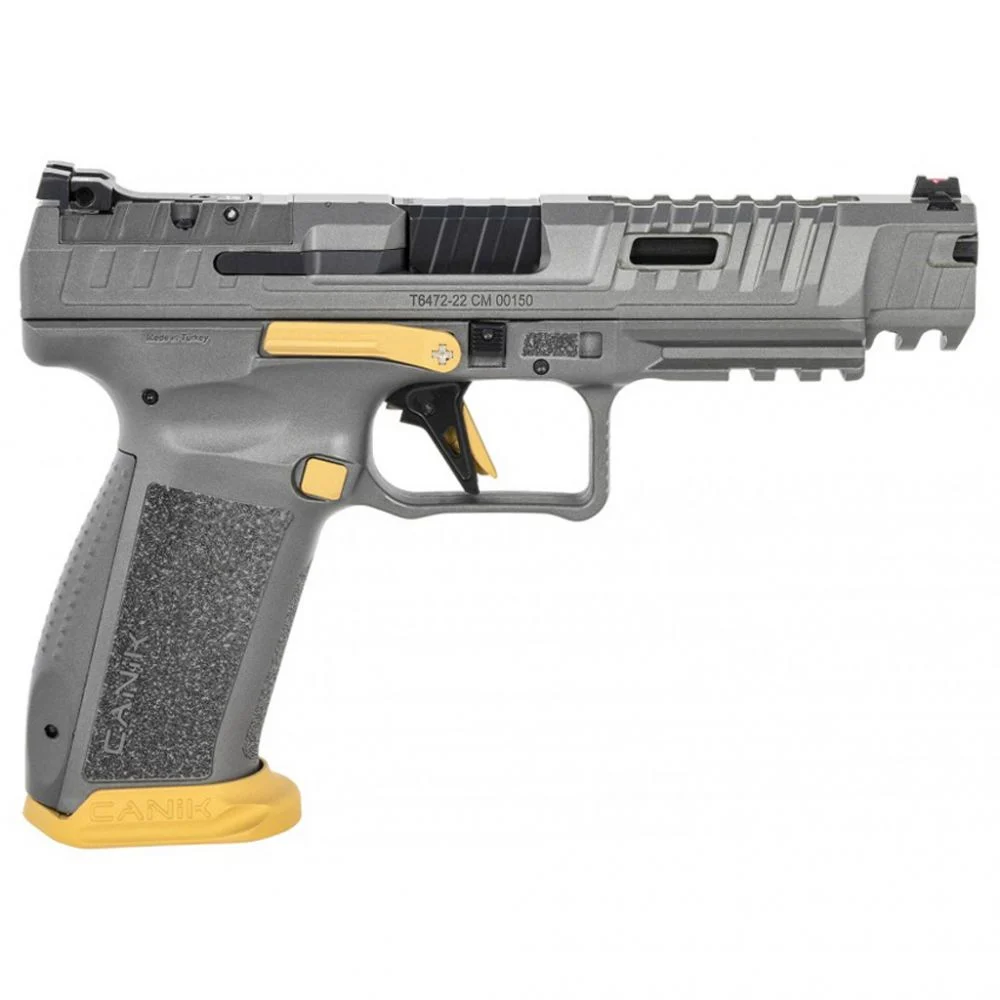
A full-size 9mm is the most flexible choice. It lives in a quick-access safe next to the bed, it leaves a hand free, and it is the same gun you can train with all year and, in Texas, carry without a license once you are 21. It is also the hardest of the three to shoot accurately under stress, so it demands the most practice. An optics cut and a weapon light are worth the money on a house pistol.
Carbines
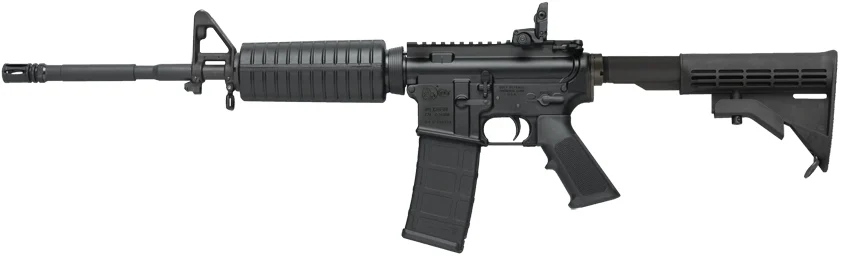
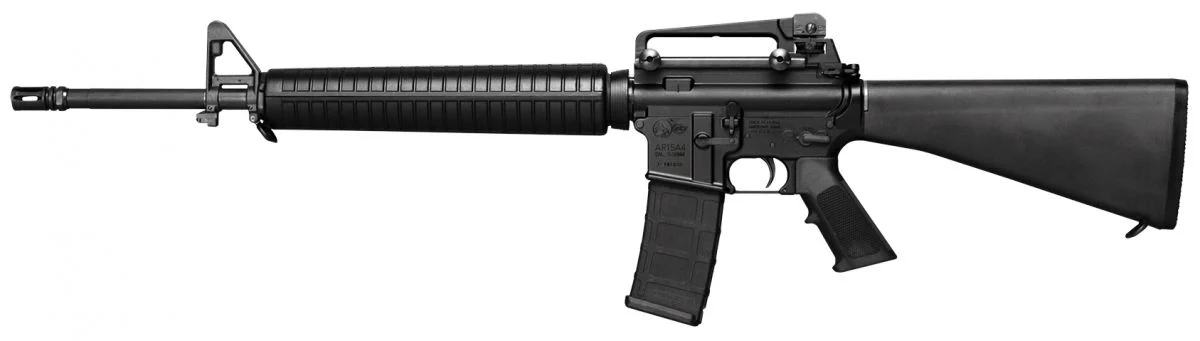
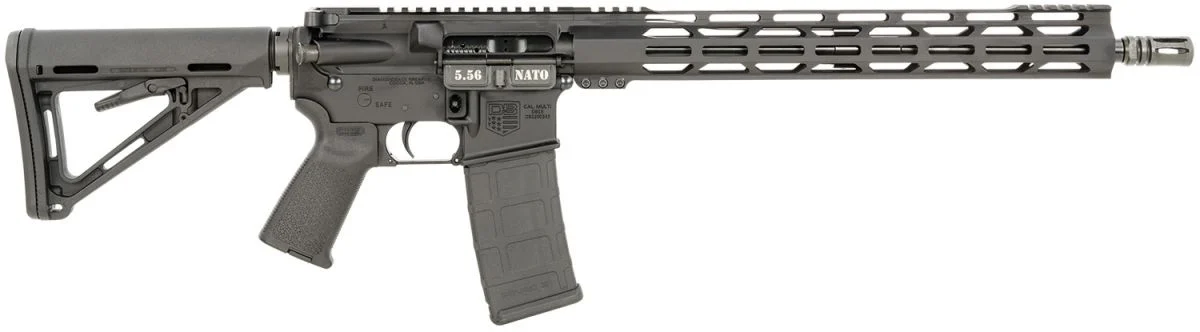
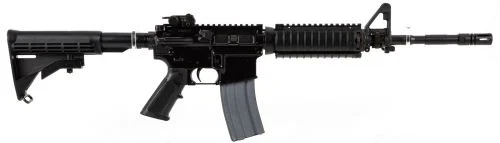
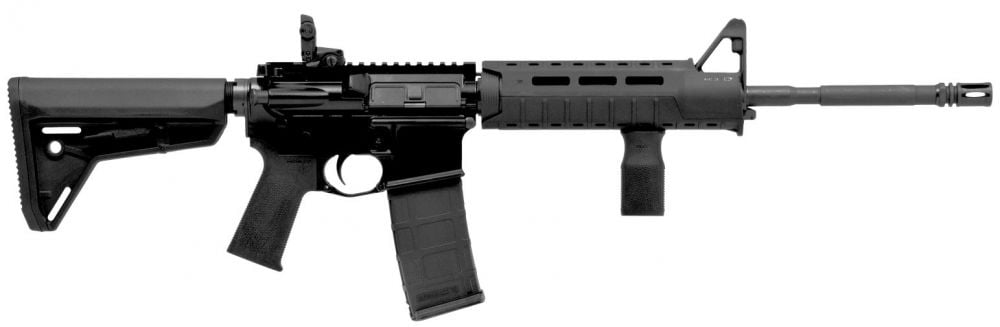
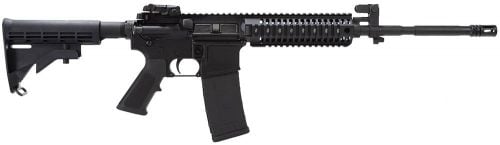
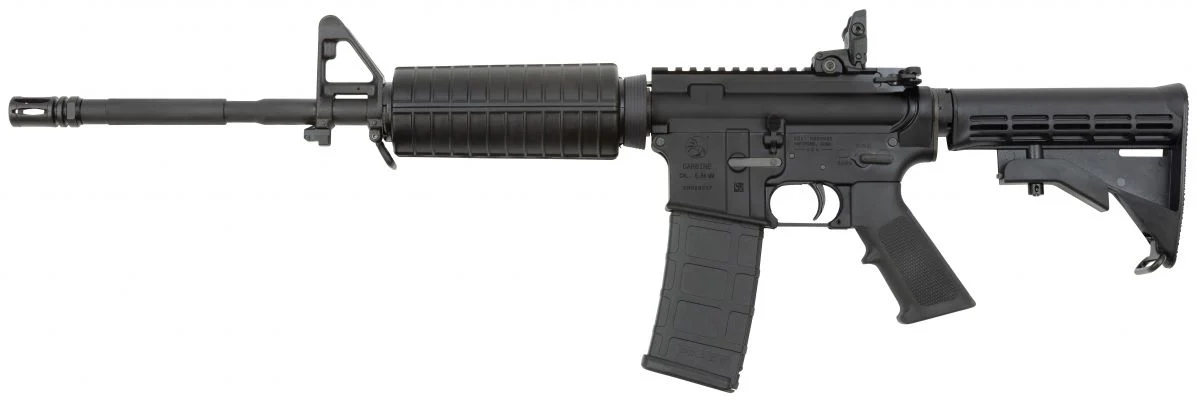
An AR-15 carbine is the easiest gun here to hit with, has the least recoil and holds the most rounds, and Texas has no magazine limit and no feature rules to work around. Indoors it is very loud, and a rifle bullet can carry further through drywall than people assume, so think about your layout and pick a load built for it. The F1 Firearms parts shelf on this site is mostly competition and hog parts, but a light handguard and a short barrel make a good house carbine too.
Light, storage and practice
- Put a light on it. You cannot shoot at what you have not identified, and most of this happens in the dark.
- Quick-access safe. Penal Code 46.13 makes it an offense to leave a readily dischargeable firearm where a child under 17 is likely to get it. A bedside safe solves that and still opens in seconds.
- Practice the boring parts. Loading, unloading, clearing a jam, moving with the gun. Those are what fail first.
- Have a plan. Where you go, who you call, what you say to the 911 operator and to the first officer through the door. Decide it now, not at 3 a.m.
Texas law, in general terms
Texas is a stand-your-ground and castle-doctrine state. Penal Code 9.31 covers self-defense and 9.32 covers deadly force. A person who has a right to be where they are, did not provoke the other person and is not engaged in criminal activity has no duty to retreat, and the statute presumes deadly force is reasonable when the other person unlawfully and with force enters or attempts to enter your occupied home, vehicle or workplace, or attempts to remove you from them. Penal Code 9.41 through 9.43 cover the defense of property, which is narrower than people assume. Civil Practice and Remedies Code 83.001 shields a person whose use of force was justified from civil suits over it.
This is general information, not legal advice. Self-defense cases turn on their facts and on how the statute is applied, and nothing on this page tells you what you may do in a particular moment. Read the current statutes and talk to a Texas attorney. See our Texas gun law overview for the rest.